GST Authorities Cannot Revive or Initiate New Claims Post-CIRP: HC
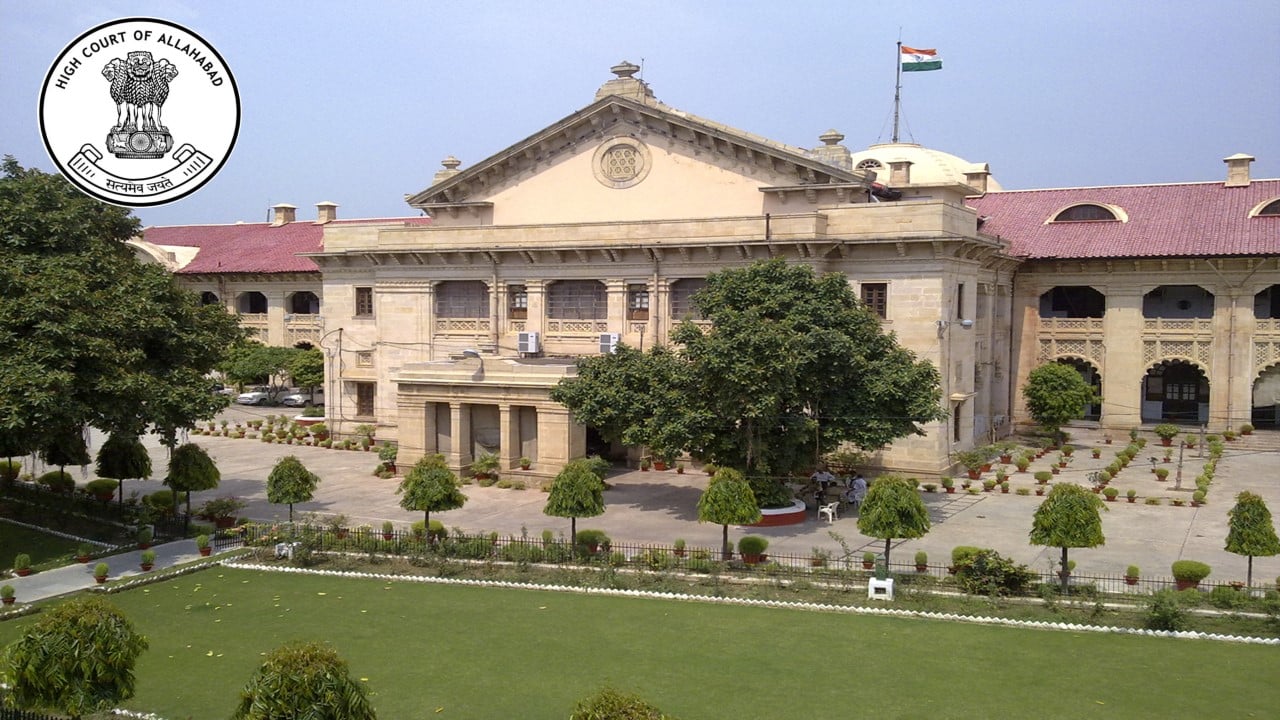
GST Authorities Cannot Revive or Initiate New Claims Post-CIRP: HC
The present writ petition is being filed by Srei Equipment Finance Limited (petitioner), under Article 226 of the Indian Constitution, against the State of Uttar Pradesh and others (respondents). In this case, Rahul Agarwal is representing the petitioner, and C.S.C. is representing the respondents’ side. The petitioner was dissatisfied with certain orders passed by the GST department, hence challenged them.
Background of Case:
Srei Equipment Finance Ltd. entered the Corporate Insolvency Resolution Process (CIRP) on October 8, 2021. This is a special legal process under the Insolvency and Bankruptcy Code (IBC), 2016, designed to help financially troubled companies restructure or resolve their debts.
Once the insolvency process (CIRP) began, a Resolution Professional (RP) was appointed to take charge of the company. All creditors, including the GST department, were asked to send their claims to the RP. The RP also informed the GST department that the company was going through insolvency proceedings.
During this period, the GST department issued certain orders against the petitioner, i.e., Srei Equipment Finance Limited, for the tax periods of 2017-18 and 2018-19, an assessment order dated December 26, 2023, and a show cause notice (SCN) dated January 15, 2024, included. These orders asked the petitioner for payment of taxes for periods before the insolvency process began.
Meanwhile, the Resolution Plan, which is a detailed strategy to revive the company, was approved by the National Company Law Tribunal (NCLT) on August 11, 2023, and this approval was later confirmed on January 5, 2024, by the National Company Law Appellate Tribunal (NCLAT).
Petitioner’s Argument
The petitioner’s lawyers argued that once the NCLT approves a resolution plan, the GST department cannot raise new tax claims or demands against the company for the periods before the CIRP started. They relied on several important Supreme Court and High Court judgments that say the same thing: after the Resolution Plan is approved, no fresh claims or liabilities can be imposed on the company for the past period, because the goal of the CIRP and the approved plan is to give the company a “fresh start” free from old debts and liabilities.
The court took reference from the following previous judgments:
- Ghanshyam Mishra and Sons (P) Ltd. vs. Edelweiss Asset Reconstruction Co. Ltd.
- NS Papers Ltd. vs. Union of India
- Vaibhav Goyal & Another vs. Deputy Commissioner of Income Tax & Another (Supreme Court)
- Committee of Creditors of Essar Steel India Ltd. vs. Satish Kumar Gupta
Court’s Analysis
The court analysed that:
- The GST department was informed of the insolvency proceedings by the resolution professional and had itself submitted claims before the RP. Therefore, it knew about the CIRP.
- Allowing the GST department to raise new claims after the approval of the Resolution Plan would violate the fundamental principle of the IBC, which is to provide a fresh start to the resolution applicant and prevent new liabilities from popping up unexpectedly.
- Permitting the tax department to issue fresh tax demands post-approval would create uncertainty and disrupt the resolution process, making it impossible for the company to restart its business smoothly.
- The court reiterated that any pending assessments or notices relating to periods before the CIRP cannot be finalised or enforced once the plan is approved unless they were part of the plan.
- Thus, the court ruled that the impugned assessment order dated December 26, 2023, and the show cause notice dated January 15, 2024, are illegal and must be quashed.
Court’s Final Decision
- The court cancelled both the tax assessment order and the show cause notice. This means the GST department cannot ask the company to pay any taxes for the period before the insolvency resolution plan was approved by the NCLT. The decision confirms that once a resolution plan is approved, the company starts fresh, and no new tax demands or claims can affect the resolution process or the person who took over the company.