GST Reforms 2025: Boosting Maharashtra’s Economy Across Every Sector
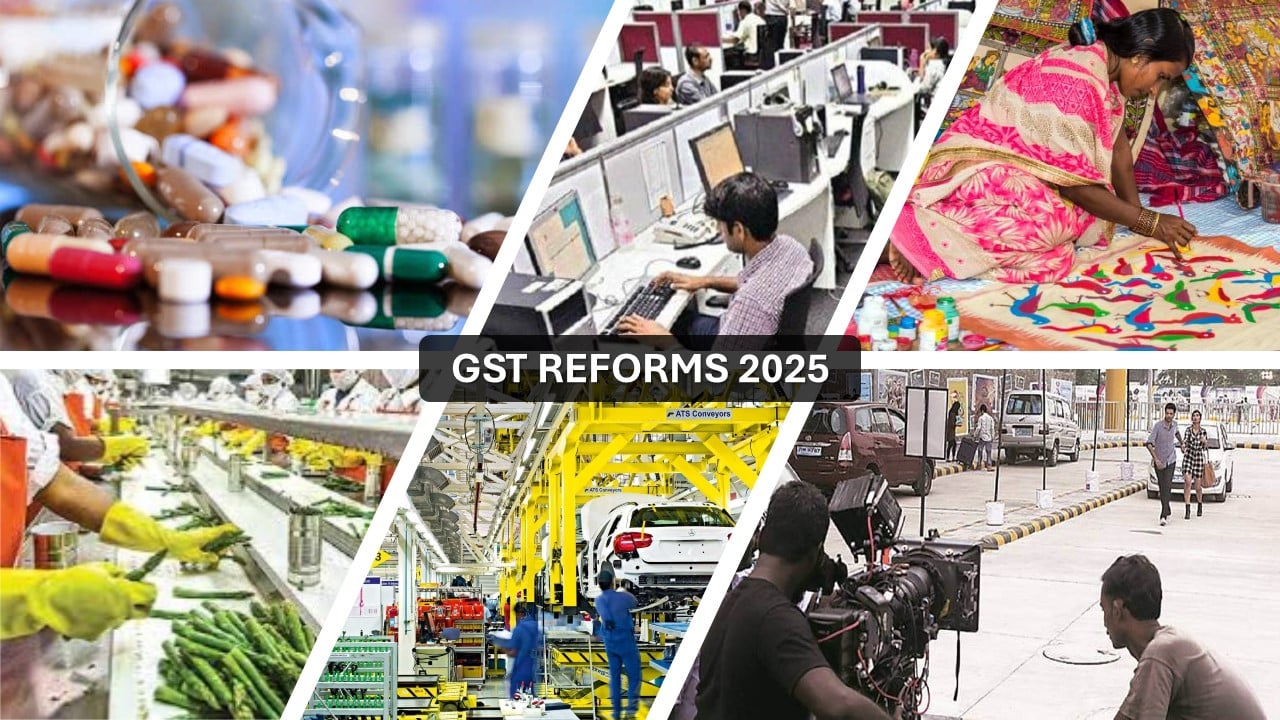
GST Reforms 2025: Boosting Maharashtra’s Economy Across Every Sector
The 2025 GST reforms have reduced taxes in many sectors across Maharashtra. This will make goods and services affordable and cheaper for people and help businesses grow by reducing their costs. These GST reforms will benefit farmers, small artisans, big companies and others. These changes are expected to enhance the state’s overall economy.
A Diverse Economy
Maharashtra has many different kinds of industries. Some places grow sugarcane, while others grow fruits and vegetables. People in coastal areas mainly do fishing. The state is also known for special crafts like Kolhapuri chappals, Warli paintings, and Paithani sarees. It also has strong industries in automobiles, defence, and pharmaceuticals.
Agriculture and Food Processing
Sugar Industry
Maharashtra is India’s biggest sugar producer, with over 200 sugar mills and around 50 lakh farmers depending on it. The GST on refined sugar has dropped from 12% to 5%. This makes sugar about 6-7% cheaper, helping both households and food companies that use sugar in their products.
Fruit and Vegetable Processing
GST on products like fruit juices, jams, and sauces has been reduced to 5% from 12%. This means lower prices for consumers and better profits for small and medium food businesses.
Fisheries
GST on processed fish products is now 5%; however, previously it was 12%. This will help small fish processing units along the coast and make their products more affordable in India and abroad.
Handlooms and Handicrafts
Textile and Power Looms
GST on yarn and fabric has been lowered to 5%. This means cloth makers will spend less on materials. Places like Ichalkaranji and Solapur, known for their power loom industries, will especially benefit because many people there work in making cloth.
Kolhapuri Chappals and Leather Goods
Chappals and footwear priced under Rs. 2,500 now attract only 5%. This means traditional footwear like Kolhapuri chappals is now 6-7% cheaper. Because of this, more people can afford them, which helps local artisans sell more and earn more.
Warli Paintings
Handmade paintings such as Warli art now have a GST of 5%; however, earlier it was 12%. This makes them cheaper and helps local artists earn better incomes.
Paithani Sarees
GST on inputs like silk and zari thread used in Paithani sarees has been reduced to 5%. This change helps weavers by cutting down their production costs, so they can earn more or offer their products at better prices.
Automotive & Auto Ancillary Hub
GST on small cars, bikes under 350cc, and auto parts has been reduced from 28% to 18%. For big cars, a special tax called “compensation cess” has been removed. For example, a car priced at Rs. 10 lakh could now cost Rs. 90,000 to Rs. 1 lakh less. Cheaper vehicles and parts will boost the entire auto industry.
New Economy & Strategic Industry
Defence Manufacturing
GST on armoured vehicles is now 5%, and many important parts are exempt from tax. This makes defence equipment cheaper to build and supports the “Make in India” push in defence.
Pharmaceuticals
Medicines now attract only 5% GST, down from 12%. This makes medicines 6 to 7 percent cheaper and will also reduce healthcare costs for people who need regular treatment.
Insurance
Health and life insurance policies are now exempt from GST. This reduces the cost of premiums. For example, a policy with a Rs. 20,000 premium could now be Rs. 3,600 cheaper. This change makes insurance more affordable and will help more people get the protection they need.
Tourism and Hospitality
Hotels charging Rs. 7,500 or less per night now have a GST of 5% (without input tax credit), earlier it was 12%. A Rs. 6,000-per-night stay will now cost Rs. 420 less in tax. This makes travel more affordable for tourists and business travellers.
Film and Entertainment
Movie tickets priced at Rs. 100 or less now have only 5% GST, down from 12%. This will make cinema-going more affordable and help the entertainment industry.
IT and Software Exports
Maharashtra is a top state in India for IT and software exports, with over 1.2 million people working in cities like Pune, Mumbai, and Nagpur. The tech industry has got support from GST changes that keep important benefits for these companies. This helps export-focused IT businesses compete worldwide and work better.